
T20 World Cup Fever is an unmistakable phenomenon that transforms quiet neighborhoods into roaring stadiums and casual observers into passionate analysts every two years. There is a specific electricity in the air when the world’s best cricketers gather to battle in the shortest, most volatile format of the game. I remember sitting in a crowded cafe in Mumbai during a high-stakes match, where every person from the barista to the businessmen held their breath as the bowler began his run-up. That collective heartbeat is the essence of what this tournament represents to billions of people across the globe. It is more than just a series of matches; it is a cultural celebration that bridges continents and languages through the simple joy of a bat hitting a ball.
The evolution of this format has been nothing short of miraculous since its inception in the early 2000s. Originally viewed as a “hit and giggle” experimental game, it has matured into a tactical chess match played at 100 miles per hour. The sheer unpredictability of T20 cricket ensures that any team can beat a giant on their day, which is precisely why the fever catches on so rapidly. You can feel the tension building weeks before the first ball is bowled, as fans argue over squad selections and potential breakout stars in every corner of social media. It is a time when jerseys are dusted off and flags are draped over balconies in a grand display of national pride.
From the sandy beaches of the Caribbean to the historic grounds of England and the bustling streets of South Asia, the tournament creates a unique global footprint. The 2024 edition, co-hosted by the United States and the West Indies, marked a significant milestone in bringing this excitement to a new frontier. Watching thousands of fans descend upon a temporary stadium in New York was a testament to the sport’s growing reach. The sights and sounds of the tournament—the trumpets, the face paint, and the rhythmic chanting—create a sensory experience that stays with a fan long after the final wicket has fallen.
Understanding the Roots of T20 World Cup Fever
To understand why this tournament generates such a massive following, one must look back at the inaugural 2007 edition in South Africa. That tournament changed the landscape of cricket forever, particularly after India’s young squad led by MS Dhoni clinched the title in a heart-stopping final against Pakistan. That single event ignited a fire in the Indian market, leading to the creation of the IPL and a global shift in how cricket was consumed. The world realized that three hours was the perfect window for a sporting spectacle, offering enough time for a narrative to develop but not so much that it lost the attention of a modern audience.
The technical expertise required to succeed in this format has also deepened over the years. Modern players are no longer just traditional cricketers; they are high-performance athletes who use data analytics to study every possible angle of the field. Bowlers have developed a “mystery” element, utilizing knuckleballs, wide yorkers, and subtle variations in pace to deceive batsmen. Meanwhile, batsmen have reinvented the art of hitting, introducing the “ramp shot,” the “switch hit,” and the “scoop” to find gaps in the field. This constant innovation is a primary driver of the excitement, as fans never know what new trick they might see on any given evening.
The tactical battle during the “Powerplay” and the “Death Overs” provides a framework for the drama to unfold. In the first six overs, the fielding restrictions allow for explosive batting, often setting the tone for the entire innings. Conversely, the final four overs are a test of nerve, where bowlers try to execute perfect yorkers while batsmen attempt to clear the boundary with sheer brute force. This seesaw battle between bat and ball is the reason why T20 World Cup Fever persists regardless of which teams are playing on the field. It is a format designed for highlights, where every ball carries the potential to change the course of history.
The Rise of the Underdogs and Associate Nations
One of the most beautiful aspects of the T20 World Cup is the platform it provides for associate nations to showcase their talent on the grandest stage. We have seen teams like Afghanistan rise from the lower divisions of world cricket to becoming a genuine powerhouse that can challenge anyone in the top ten. Their journey is a story of resilience and passion, embodying the very spirit of the game. When a smaller nation defeats a powerhouse like Australia or Pakistan, it sends shockwaves through the cricketing world and provides a massive boost to the tournament’s narrative.
The 2024 tournament provided several such moments, most notably the United States defeating Pakistan in a result that stunned the sporting world. This giant-killing act proved that the gap between the established nations and the emerging ones is shrinking rapidly. Such results fuel the fever because they represent the “Cinderella stories” that sports fans crave. It gives hope to millions of aspiring cricketers in non-traditional markets that they, too, can one day compete against their idols. This inclusivity is vital for the long-term health of the sport and ensures a truly global audience.
The presence of these emerging teams adds a layer of freshness to the competition. They bring different styles of play and a raw, unbridled energy that can sometimes unsettle more experienced opponents. For the fans, these matches are an opportunity to discover new heroes and learn about the cricketing culture of countries they might never have associated with the sport. This expansion of the “cricket family” is a major reason why the T20 World Cup has become the most anticipated event in the ICC calendar, surpassing even the traditional 50-over format in terms of sheer engagement.
Iconic Venues and the Caribbean Vibe
The choice of venues plays a crucial role in defining the atmosphere of a World Cup. The Caribbean, in particular, has a legendary relationship with the sport, offering a backdrop of turquoise waters and vibrant calypso music. Cricket in the West Indies is not just a game; it is a festival. The Kensington Oval in Barbados and the Providence Stadium in Guyana are hallowed grounds that have witnessed some of the greatest moments in the sport’s history. When the tournament returns to these shores, the T20 World Cup Fever reaches a fever pitch due to the local fans’ infectious energy.
In contrast, the introduction of cricket to the United States brought a different kind of curiosity and excitement. Matches in Florida and Texas showcased the sport to an audience that was more familiar with baseball or American football. The crossover appeal was evident as local sports fans began to appreciate the athleticism and skill required to hit a ball traveling at 90 miles per hour. This blend of traditional venues and new frontiers creates a dynamic calendar that keeps the tournament feeling fresh and relevant in a rapidly changing sports market.
The logistical challenge of hosting such a massive event is immense, requiring state-of-the-ground facilities and high-level security. The success of these tournaments is a credit to the host nations’ ability to manage thousands of international travelers and provide a seamless experience for the players. For the fans, the travel is part of the adventure. Many save for years to follow their team across the ocean, creating a “traveling circus” of supporters who bring their own unique flavors to the host cities. This migration of fans is a significant economic driver for the regions involved, boosting tourism and local businesses.
The Emotional Rollercoaster of the Final Over
There is no tension quite like the final over of a T20 World Cup match. We have seen games where 20 runs are required off six balls, and somehow, the batsman finds a way to snatch victory from the jaws of defeat. Think back to Carlos Brathwaite in 2016, hitting four consecutive sixes against England to win the title for the West Indies. Ian Bishop’s iconic commentary, “Remember the name,” still echoes in the minds of cricket fans today. Those moments of individual brilliance under extreme pressure are what turn players into legends and fuel the lifelong passion of the supporters.
The pressure on the bowler in these situations is unimaginable. One slight error in length or a fraction of an inch in direction can result in a boundary that breaks a nation’s heart. This high-stakes environment is a true test of character and mental toughness. The players who can stay calm in these “death” situations are the ones who command the highest value in global leagues. For the fans watching at home or in the stands, these final moments are a blur of adrenaline and anxiety, often resulting in scenes of wild celebration or devastating heartbreak.
The 2024 final between India and South Africa provided another masterclass in drama. India’s ability to defend a modest total in the final few overs showed the importance of experience and tactical execution. The sight of Hardik Pandya defending those final runs and the emotional breakdown of senior players like Rohit Sharma and Virat Kohli after the win showed just how much this trophy means. It was a redemption story for a team that had come close many times but failed to cross the line, and it provided a fitting farewell to some of the game’s greatest servants.
Modern Training and the Data Revolution
Behind the scenes of T20 World Cup Fever, there is a silent revolution happening in the world of sports science and data. Teams now employ full-time analysts who use ball-tracking technology and historical data to create “match-up” strategies. They know exactly which bowler a batsman struggles against and which areas of the field they are likely to target in specific weather conditions. This level of preparation has turned cricket into a highly sophisticated sport where every move is calculated. The players themselves spend hours in the gym and in the nets, perfecting specific shots that were once considered impossible.
The physical demands of T20 cricket are often underestimated. While the game only lasts forty overs in total, the intensity is much higher than in Test or ODI cricket. Outfielders must be able to sprint and slide to save every single run, as one run can literally be the difference between winning and losing a World Cup. Power hitters focus on core strength and bat speed, training their bodies to generate maximum force even when they are off-balance. This transition into a truly athletic sport has attracted a younger demographic of fans who appreciate the fast-paced nature of the competition.
Technology also plays a massive role in the fan experience. The use of LED stumps that light up when the bails are dislodged, spider-cams that provide a bird’s-eye view of the action, and high-definition “Ultra-edge” for decision reviews have made the game more transparent and engaging. Fans can now see exactly what the umpire sees, leading to a deeper understanding of the nuances of the game. This technological integration has made the sport more accessible to those who didn’t grow up with the complex rules of traditional cricket, further expanding the reach of the tournament.
The Cultural Impact and Fan Traditions
The T20 World Cup is as much about the fans as it is about the players. Every nation brings its own unique culture to the stands. The “Bharat Army” and the “Swami Army” follow the Indian team with a level of devotion that is rarely seen in any other sport. Their synchronized chants and sea of blue jerseys create an intimidating atmosphere for any opponent. Similarly, the “Barmy Army” from England and the vibrant West Indian supporters with their steel drums and colorful outfits add to the festive spirit of the event.
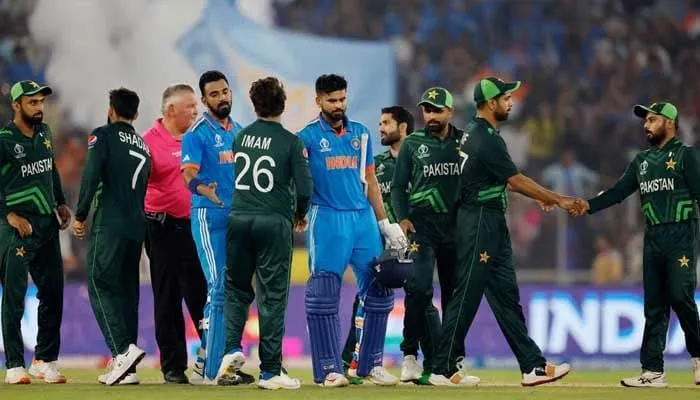
In the subcontinent, the matches are often screened on massive projectors in public parks and town squares, turning the entire country into one giant stadium. The rivalry between India and Pakistan is perhaps the most intense in all of sports, attracting a television audience that reaches into the hundreds of millions. When these two teams meet in a World Cup, the world practically stands still. The pressure on the players is immense, as the result can influence the national mood for weeks. Yet, despite the intensity, there is often a sense of mutual respect and shared passion between the fans of both nations.
These fan traditions are passed down through generations. I have seen grandfathers explaining the rules to their granddaughters, and parents taking their children to their first-ever international match. This continuity ensures that the love for the game remains strong. The T20 format, with its shorter duration and high entertainment value, is the perfect entry point for the next generation of fans. It is the vehicle that is carrying the sport into the 21st century, ensuring that the T20 World Cup Fever continues to burn brightly for years to come.
Social Media and the Digital Stadium
In the modern era, the tournament is played as much on smartphones as it is on the field. Social media platforms like X, Instagram, and TikTok have created a “digital stadium” where fans can share their reactions in real-time. Memes, highlight clips, and heated debates become part of the daily routine during the World Cup. This instant connectivity allows fans in Australia to celebrate a wicket with fans in India, creating a global community that transcends geographical boundaries. The players themselves are active on these platforms, giving fans a glimpse into their lives behind the scenes.
This digital engagement has also changed how the sport is marketed. Brands now create specific campaigns around the World Cup, utilizing the players’ star power to reach a massive audience. The “fantasy cricket” craze has also added a new dimension to the fever, as millions of fans create their own virtual teams and compete for prizes. This encourages fans to watch every match, even those not involving their own country, as they follow the performances of their selected players. It has made the entire tournament more engaging and interactive than ever before.
The role of broadcasters has also evolved, with streaming services providing multiple camera angles and localized commentary in various languages. You can now choose to listen to the match in your native tongue or follow a specific player’s movements throughout the innings. This level of customization has made the viewing experience more immersive. The digital revolution has ensured that no matter where you are in the world, you are never far away from the action. You can follow the live score while at work or watch the highlights on your commute home, keeping the excitement alive throughout the day.
The Legacy of the T20 World Cup
Beyond the trophies and the statistics, the T20 World Cup leaves a lasting legacy on the sport’s infrastructure and the lives of the players. For many young cricketers from smaller nations, a good performance in the World Cup can lead to a lucrative contract in global T20 leagues. This financial security allows them to focus entirely on their game and helps raise the standard of cricket in their home countries. The tournament also inspires host nations to upgrade their stadiums and training facilities, leaving behind a “cricket footprint” that benefits the local community for decades.
The tournament also promotes a message of global unity and sportsmanship. Despite the fierce competition on the field, the sight of players from different nations sharing a laugh or swapping jerseys after a match is a powerful image. It reminds us that at the end of the day, it is just a game that should be played with respect and integrity. The T20 World Cup has become a symbol of how sport can bring a fractured world together, even if only for a few weeks. It is a celebration of human potential and the pursuit of excellence.
As the tournament expands to include more teams and reaches more countries, the T20 World Cup Fever will only continue to grow. We are entering a new golden age for the sport, where the boundaries are being pushed every day. The memories created during these tournaments—the incredible catches, the massive sixes, and the emotional victories—become part of our collective history. They are the stories we will tell our children and grandchildren. Cricket is a game of numbers, but the T20 World Cup is a game of hearts, and that is why it will always remain the ultimate spectacle in the world of sports.
sri lanka national cricket team vs bangladesh national cricket team match scorecard
बांगलादेश राष्ट्रीय क्रिकेट संघ वि भारत राष्ट्रीय क्रिकेट संघ सामन्याचे स्कोअरकार्ड
विराट कोहली यांची आकडेवारी
mahika gaur height