
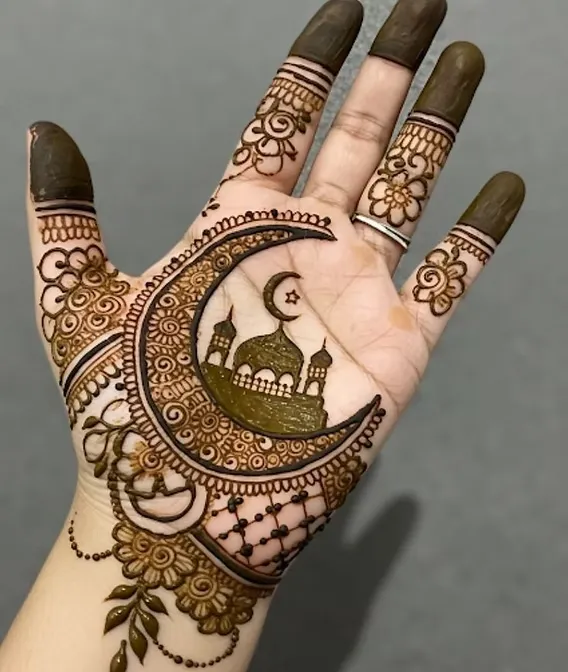
Arabic Fusion Mehndi represents a breathtaking marriage between traditional Middle Eastern boldness and the intricate delicacy of Indian artistry. Imagine walking into a bustling wedding hall where the scent of eucalyptus and clove hangs heavy in the air. You notice the bride’s hands, not just covered in dark ink, but telling a story through clever negative spaces and sweeping floral motifs. This specific style has taken the global fashion world by storm because it offers the perfect middle ground for modern women who desire elegance without feeling visually overwhelmed. It is the bridge between the minimalist and the maximalist, making it a versatile choice for almost any celebration.
The beauty of this art form lies in its ability to adapt to the personality of the wearer. While traditional Arabic henna is known for its thick, flowing lines and spacious leafy patterns, the fusion element brings in the fine “jali” work and micro-patterns typically found in Indian or Pakistani designs. This results in a look that feels both ancient and refreshingly contemporary. When you look at a well-executed fusion piece, you see the confidence of the desert and the rhythmic complexity of the subcontinent dancing together on the skin. It is truly a celebration of cultural exchange through the medium of natural botanical dye.
Understanding the origins of this hybrid style requires a look at how global migration and social media have influenced local traditions. For decades, henna artists remained strictly within the boundaries of their regional styles. However, as artists began sharing their portfolios on platforms like Instagram and Pinterest, a new aesthetic emerged. Brides started requesting the “boldness” of the Gulf with the “detail” of the East. This demand birthed what we now celebrate as the fusion movement. It is a testament to how art evolves when different cultures begin to admire and mirror one another’s strengths.
The Artistic Elements of Arabic Fusion Mehndi
When we break down the visual components of Arabic Fusion Mehndi, the first thing that stands out is the intentional use of negative space. Unlike traditional Indian designs that often cover every millimeter of the skin, fusion styles allow the natural skin tone to act as a primary color in the composition. This breathing room makes the dark henna stain pop with incredible intensity. By leaving parts of the hand bare, the artist draws the eye toward the most intricate focal points, such as a central mandala or a cascading rose vine. This technique creates a high-contrast look that is exceptionally photogenic and modern.
Another defining characteristic is the variation in line weight. A skilled fusion artist knows how to manipulate the henna cone to create heavy, succulent outlines that frame delicate, hair-thin internal details. You might see a large, bold hibiscus flower where the petals are filled with tiny, microscopic dots or swirling patterns. This play between heavy and light is what gives the design its three-dimensional quality. It mimics the look of expensive lace or fine jewelry, transforming the hand into a living canvas that changes as the light hits the different textures of the stain.
The fusion of motifs is also a highlight of this style. In a single design, you might find the classic Arabic “bel” or vine traveling diagonally across the palm, but instead of just leaves, it might be adorned with the “paisley” or “ambria” shapes common in South Asian art. This cross-pollination of symbols allows for endless creativity. Artists often incorporate elements of architecture, such as Moroccan arches or Mughal domes, into the flow of the henna. This architectural influence adds a sense of structure and balance to the otherwise organic and flowing nature of the botanical patterns.
Why Arabic Fusion Mehndi is Perfect for Modern Brides
Choosing the right henna design is a monumental task for any bride, as it remains a permanent part of her wedding look for weeks. Many modern brides find that Arabic Fusion Mehndi strikes the ideal balance between tradition and personal style. It respects the cultural weight of the ceremony while acknowledging the bride’s desire for a sophisticated, less cluttered aesthetic. Many women today prefer a look that complements their heavy bridal jewelry rather than competing with it. Fusion designs are often tailored to flow around rings and bangles, acting as a subtle backdrop rather than a distracting foreground.
Furthermore, the time-saving aspect of this style cannot be ignored. Traditional, full-arm bridal henna can take anywhere from six to ten hours to apply, which can be an exhausting experience for the bride. Fusion styles, while still detailed, often take significantly less time because of the strategic use of open spaces. This allows the bride more time to rest or participate in other wedding festivities. Despite the shorter application time, the visual impact remains just as powerful, if not more so, because of the bold contrast and artistic layout. It is the ultimate “work smarter, not harder” approach to bridal beauty.
Beyond the aesthetic appeal, there is a deep emotional connection to fusion styles. Many brides today come from multi-cultural backgrounds or are marrying into families with different traditions. A fusion design serves as a beautiful symbolic gesture of two cultures coming together. It represents a new beginning where the old is honored but a new, unique path is forged. For these brides, the henna is not just decoration; it is a visual representation of their identity and the merging of their past and future lives.
The Role of Shading and Gradient in Fusion Designs
One of the most advanced techniques found in Arabic Fusion Mehndi is the use of shading. Unlike traditional styles that rely solely on solid lines, fusion artists often use a “brushing” technique to create gradients. This is done by thinning out the henna paste or using a lighter touch to create soft shadows within the petals of a flower. When the henna is washed off, these shaded areas result in a lighter orange or reddish hue, while the bold outlines remain a deep, dark brown. This creates a stunning “ombre” effect that adds incredible depth and realism to the motifs.
This shading technique is particularly effective for floral patterns like roses, lotuses, and peonies. It allows the artist to mimic the natural folds of a petal, making the flowers look like they are blooming right off the skin. This level of artistry requires a deep understanding of how henna interacts with the skin’s chemistry. The artist must know exactly how long to leave the shaded areas versus the solid lines to achieve the perfect color balance. It is this technical expertise that separates a professional fusion artist from a hobbyist, ensuring a result that is both sophisticated and durable.
The gradient effect also helps in highlighting the jewelry-like qualities of the design. Many fusion pieces include “chain” patterns or “beaded” strings that look like they are draped over the wrist or fingers. By using different line thicknesses and shading, the artist can make these elements look like they have weight and movement. It is a masterful trick of the eye that turns a flat stain into a piece of wearable art. This attention to detail is why fusion styles are often described as “henna couture,” catering to a clientele that values high-end craftsmanship and unique artistic expression.
Maintaining the Integrity of Arabic Fusion Mehndi
To get the most out of a fusion design, the preparation and aftercare are just as important as the application itself. Because this style relies so heavily on the contrast between dark lines and open skin, achieving a rich, dark stain is paramount. The skin must be clean and free of oils or lotions before the artist begins. Many professionals recommend a gentle exfoliation the day before to remove dead skin cells, allowing the lawsone pigment in the henna to penetrate deeper into the dermis. This ensures that the intricate details don’t fade prematurely.
Once the paste is applied, the “drying” phase is a test of patience. In the world of Arabic Fusion Mehndi, the longer the paste stays on the skin, the better. Most experts suggest leaving it on for at least six to eight hours, or even overnight if possible. To keep the paste from flaking off, a mixture of lemon juice and sugar is often dabbed onto the design. This creates a sticky seal that keeps the henna moist and active against the skin. Avoiding water for the first twenty-four hours after removing the paste is the golden rule for any henna enthusiast, as water can interrupt the oxidation process that turns the stain from bright orange to deep mahogany.
The longevity of the design also depends on where it is placed. Areas with thicker skin, like the palms of the hands and the soles of the feet, will always take a darker stain and last longer than the thinner skin on the back of the hand or the arms. Fusion designs often take advantage of this by placing the most intricate work on the palms while letting the flowing vines crawl up the arms. By understanding the anatomy of the hand, an artist can design a piece that not only looks beautiful on day one but also fades gracefully over two weeks, maintaining its form until the very end.
Cultural Significance and Global Reach
While the aesthetics of fusion henna are undeniably beautiful, it is important to acknowledge the cultural roots that make this art form so special. Henna has been used for over five thousand years across North Africa, the Middle East, and South Asia. It has always been a symbol of joy, luck, and protection. In many cultures, the “Barakah” or blessing of the henna is believed to bring happiness to a new marriage. Fusion styles carry this ancient energy forward into the modern world, proving that tradition does not have to be static; it can grow and adapt while keeping its soul intact.
The global popularity of Arabic Fusion Mehndi has also led to a rise in “henna tourism” and international workshops. Artists from Dubai, Mumbai, and London now travel the world to teach their unique fusion techniques to eager students. This global exchange has created a vibrant community where tips on sourcing the best organic henna powder and essential oils are shared freely. This transparency and dedication to quality have elevated the status of henna artistry, moving it from a casual folk craft to a respected professional discipline that demands high levels of skill and creativity.
The trend has also influenced other industries, from interior design to high-fashion textiles. You can see the echoes of fusion henna patterns in embroidered fabrics, wallpaper designs, and even fine jewelry collections. The universal appeal of its symmetry and organic flow resonates with people regardless of their cultural background. It is a visual language that speaks of beauty, celebration, and the human touch. As we move further into a digital age, the tactile and slow nature of hand-applied henna becomes even more precious, offering a moment of connection and stillness in a fast-paced world.
Tips for Choosing Your Fusion Design
If you are planning to get a fusion design for the first time, start by considering the occasion and your personal style. For a casual festival or a friend’s wedding, a “minimalist fusion” look might be the way to go. This could involve a simple but bold floral element on the back of the hand with a few delicate accents on the fingers. It is quick to apply and adds a touch of bohemian chic to any outfit. On the other hand, if you are the bride, you might want to opt for a “heavy fusion” style that covers the hands and extends up the forearms, incorporating personalized elements like the groom’s initials or symbolic motifs.
Communication with your artist is key to getting the perfect result. Most professional artists have a portfolio of their own work, which is the best place to start. Look for consistency in their line work and the richness of their stains. Don’t be afraid to ask about the ingredients in their henna paste. A trustworthy artist will only use natural, organic henna mixed with essential oils like lavender or eucalyptus. Avoid anyone using “black henna,” which contains harmful chemicals like PPD that can cause severe allergic reactions and scarring. Your safety and the health of your skin should always be the top priority.
Think about how the design will look with your attire. If your outfit is very busy with a lot of embroidery and sparkles, a fusion design with more negative space can provide a much-needed visual break. Conversely, if your outfit is simple and elegant, you can afford to go more intricate with your henna. The goal is to create a harmonious look where the henna, the jewelry, and the clothing all work together to tell a single story. A well-chosen fusion design is like the perfect accessory—it doesn’t just sit on the skin; it completes the entire ensemble.
The Evolution of Henna Tools and Paste
The precision required for fusion styles has driven significant innovations in the tools used by artists. Traditionally, henna was applied using small sticks or even the fingertips, which limited the amount of detail that could be achieved. Today, most artists use hand-rolled cellophane cones with incredibly fine tips. These cones allow for the “needle-like” precision needed for the micro-details of fusion art. Some artists even use medical-grade syringes or specialized plastic bottles, though the cone remains the favorite for its flexibility and ease of control.
The recipe for the henna paste itself has also been refined to meet the needs of the fusion style. To achieve those crisp, clean lines that don’t smudge or bleed, the paste must have a “stringy” or “creamy” consistency. This is usually achieved by adding a specific amount of sugar and high-quality essential oils to the henna powder. The sugar helps the paste stick to the skin and provides flexibility so it doesn’t crack as it dries. The oils, particularly those high in monoterpene alcohols like “terps,” are what help release the dye and ensure a dark, lasting stain. This scientific approach to paste-making is a hallmark of the modern fusion expert.
Environmental consciousness is also becoming a big part of the henna world. Many fusion artists are now moving toward sustainable packaging and sourcing their henna from fair-trade farms in Rajasthan, India, which is known for producing the world’s best henna crops. This focus on ethics and quality ensures that the art form remains as pure as its natural ingredients. When you choose a professional who cares about these details, you are not just getting a beautiful design; you are supporting a craft that values both the earth and the artist.
Mastering the Flow of the Design
What makes a fusion design truly “pro” is the way it flows with the natural curves of the body. A great artist doesn’t just draw a flat pattern; they “sculpt” the design to enhance the shape of the hand or foot. In fusion styles, this often involves “draping” patterns that follow the lines of the knuckles or the curve of the wrist. This organic placement makes the design feel like it is a part of the person rather than something just drawn on top. It requires a deep understanding of perspective and a keen eye for balance, ensuring that the design looks good from every angle.
The “capping” of the fingertips is another area where fusion styles show their uniqueness. While traditional Indian styles often involve dipping the entire fingertip in henna, fusion styles might use intricate “lace-up” patterns or delicate geometric caps that leave some skin showing. This adds a level of sophistication and modernity to the tips, making them look elongated and elegant. It is these small, thoughtful touches that define the fusion aesthetic. Every dot and every line has a purpose, contributing to a larger visual rhythm that is both soothing and exciting to look at.
Ultimately, the allure of this style is its endless capacity for reinvention. As new artists enter the field and bring their own cultural influences—whether from graphic design, fine art, or traditional textiles—the fusion style will continue to evolve. It is a living art form that refuses to be boxed in. Whether you are a bride-to-be, a festival-goer, or simply someone who appreciates beautiful craftsmanship, there is a version of this art that will resonate with you. It is a celebration of what happens when we open our hearts and our hands to the beauty of the world around us.
18666917463
simple square rangoli designs images
simple instagram khafif mehndi design
rangoli square design
square shape rangoli design