
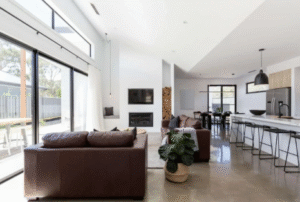
People spend a lot of money changing things inside their homes without really fixing the everyday problems. Some upgrades look expensive and modern, but they barely improve comfort or convenience. Others seem small at first, though they quietly make life easier every single day. homeleon.net shares useful ideas that focus more on function instead of showing off trendy designs nobody truly needs after six months.
Better Lighting Choices
Lighting changes the entire feeling inside a room faster than most people expect. Harsh white bulbs can make perfectly clean rooms feel uncomfortable and cold after sunset. Warm lighting works better in bedrooms, living rooms, and even kitchens where people spend long hours during evenings. A softer tone usually creates less eye strain while still keeping rooms bright enough for practical tasks.
Layered lighting matters more than giant decorative fixtures hanging from ceilings. Floor lamps, under-cabinet strips, and small wall lights often create more comfort than one strong overhead bulb. Motion sensor lights near hallways also help during nighttime without disturbing everyone in the house. They are simple additions but surprisingly useful after installation.
Many homeowners ignore dimmers because they sound unnecessary before trying them. After using adjustable lighting for a week, regular switches suddenly feel outdated and inconvenient. Brightness flexibility becomes useful during work, movie nights, cleaning, and late dinners.
Kitchen Space That Works
A beautiful kitchen becomes annoying very quickly when storage feels chaotic every morning. Cabinets should support daily habits instead of forcing people into awkward routines. Deep shelves without organizers usually waste more space than people realize. Small pull-out trays and corner systems often improve accessibility without requiring a full renovation project.
Countertops also deserve practical thinking rather than purely visual decisions. Some materials stain too easily and create constant maintenance problems later. Quartz remains popular because cleaning stays simple and durability stays reliable over time. Natural stone looks impressive, though many homeowners eventually dislike the upkeep involved.
Another overlooked thing involves electrical outlet placement. Too few outlets create clutter from extension cords and crowded power strips around cooking areas. Smart placement supports appliances without turning counters into messy cable zones. Little details like this rarely appear in advertisements, yet they strongly affect daily comfort.
Ventilation deserves more attention too. Poor airflow traps cooking smells for hours and slowly affects indoor air quality. A decent range hood improves the entire kitchen experience more than expensive decorative hardware ever could.
Comfort Through Insulation
Many homes lose comfort because insulation gets treated like an invisible background feature. Temperature inconsistency usually creates frustration throughout different seasons, especially in older houses with aging materials behind walls and ceilings. Rooms become difficult to cool during summer and equally difficult to warm during winter months.
Good insulation lowers energy bills, but comfort becomes the bigger advantage after installation. Stable indoor temperatures feel noticeably better throughout the day. Noise reduction also improves when insulation quality increases, particularly in busy neighborhoods or apartment buildings.
Windows contribute heavily to heat transfer problems inside many homes. Drafty frames allow outside temperatures to affect rooms much faster than expected. Double-glazed windows reduce this issue while also improving sound isolation. They cost more upfront, although long-term savings usually balance the investment eventually.
Curtains and blinds help more than people think. Thick blackout curtains can reduce heat during hot afternoons while adding privacy and better sleep conditions at night. Some homeowners underestimate how much sunlight changes room temperatures during peak summer months.
Bathroom Upgrades That Matter
Bathrooms do not need luxury hotel styling to become more comfortable and useful. Simple improvements often create better results than complete cosmetic redesigns. Water pressure, storage efficiency, and ventilation affect daily experience much more than decorative tiles alone.
Low-quality exhaust fans cause ongoing moisture problems that slowly damage paint and walls. Proper ventilation prevents mold growth while helping mirrors clear faster after showers. Quiet fans usually cost slightly more, though the reduced noise feels worthwhile immediately.
Storage becomes another common frustration inside smaller bathrooms. Floating shelves, recessed cabinets, and organized drawers reduce clutter without shrinking usable space. Tiny adjustments can completely change how crowded the room feels every morning.
Many people also underestimate better showerheads until replacing older models. Modern options improve pressure while reducing water waste at the same time. That balance matters because comfort and efficiency should work together instead of competing constantly.
Heated towel racks sound unnecessary before winter arrives. Then suddenly they feel surprisingly practical every cold morning afterward.
Flooring For Real Life
Flooring decisions should reflect actual household routines instead of social media trends. Some materials look impressive in photos but become frustrating under everyday use. High-maintenance floors quickly lose appeal when cleaning becomes exhausting every week.
Luxury vinyl flooring gained popularity because it handles moisture and scratches relatively well. Families with children or pets often prefer durable materials over delicate surfaces requiring constant protection. Hardwood still offers timeless appeal, though maintenance expectations remain higher.
Texture matters too. Slippery flooring creates safety concerns, especially in bathrooms, kitchens, and entryways during rainy seasons. Matte finishes generally provide better grip without sacrificing appearance.
Area rugs also contribute more than decoration alone. They reduce echo, soften walking surfaces, and help rooms feel warmer visually. Layering textures through rugs can improve comfort without requiring expensive remodeling projects.
One mistake people repeat involves choosing flooring solely based on showroom lighting. Materials look different under actual home lighting conditions. Samples should always be tested inside the room before final decisions happen.
Air Quality Inside Homes
Indoor air quality quietly affects sleep, concentration, and overall comfort every single day. Many homes trap dust, allergens, and humidity without residents noticing the gradual effects immediately. Headaches, dry skin, and poor sleep sometimes connect directly to indoor air conditions.
Air purifiers help in certain situations, especially near busy roads or dusty environments. Still, ventilation remains equally important. Fresh airflow prevents stale indoor conditions from building throughout closed spaces.
Humidity control matters more than many homeowners realize. Excess moisture encourages mold growth while overly dry air irritates skin and breathing passages. Balanced humidity usually falls between thirty and fifty percent indoors.
Houseplants receive exaggerated claims online sometimes, though they still contribute positively to indoor environments. Beyond air quality discussions, greenery creates calmer visual spaces that feel less sterile and mechanical.
Cleaning habits influence air quality heavily too. Carpets, curtains, and upholstery collect dust continuously over time. Regular maintenance prevents buildup that slowly circulates through indoor spaces every day.
Smarter Storage Solutions
Storage problems often come from poor organization instead of limited square footage alone. Many homes contain enough storage capacity, though the layout fails to support normal routines effectively. Clutter spreads faster when storage feels inconvenient to access regularly.
Vertical storage works especially well inside smaller homes and apartments. Tall shelving units use wall space efficiently while keeping floors less crowded. Hidden storage under beds and seating also reduces unnecessary visual mess.
Entryways deserve better planning because they collect shoes, bags, keys, and random daily items constantly. Hooks, benches, and small cabinets help maintain order without requiring much space. Organized entrances also reduce stress during busy mornings.
Closets become more functional when divided properly instead of remaining one large empty compartment. Adjustable shelves and drawer inserts create flexibility as storage needs change over time.
People often buy more containers without solving the actual organizational issue underneath. Systems matter more than matching baskets or expensive labels. Simplicity usually works better long term.
Outdoor Areas Feel Important
Outdoor spaces influence home comfort more than people expect, even when used occasionally. Small patios, balconies, and gardens can become relaxing extensions of indoor living areas with modest improvements.
Shade matters first. Direct sunlight makes outdoor spaces uncomfortable quickly during hot weather. Umbrellas, pergolas, or shade sails improve usability without requiring major construction expenses.
Seating should prioritize comfort over appearance. Attractive chairs become useless when nobody enjoys sitting there longer than fifteen minutes. Weather-resistant cushions and durable materials help outdoor spaces remain practical across seasons.
Lighting outside deserves attention too. Soft pathway lights and warm patio lighting create safer, more welcoming environments after sunset. Harsh floodlights often ruin atmosphere while adding unnecessary glare.
Plants improve outdoor areas significantly without demanding massive landscaping projects. Even a few container plants can soften plain spaces and make them feel more inviting naturally.
Technology Without Complexity
Smart home technology becomes frustrating when systems feel complicated or unreliable. Simplicity matters more than filling houses with unnecessary gadgets. Devices should solve actual problems instead of creating extra maintenance and confusion.
Smart thermostats remain genuinely useful because they improve comfort while lowering energy usage gradually. Automated scheduling helps maintain stable temperatures throughout changing daily routines.
Video doorbells and security cameras also provide practical benefits for many households. Remote access improves awareness without requiring expensive full-scale security systems. Still, privacy settings deserve careful attention during setup.
Voice assistants help some households manage reminders, lighting, and entertainment more efficiently. Others find constant voice interaction annoying after initial excitement fades. Personal preference matters heavily here.
Reliable internet infrastructure becomes increasingly important as homes depend on connected devices daily. Weak signals create frustration across work, streaming, and communication tasks. Mesh Wi-Fi systems often improve coverage more effectively than basic router upgrades.
Furniture That Supports Living
Furniture should support posture, movement, and comfort instead of serving purely decorative purposes. Oversized furniture frequently makes rooms feel cramped despite looking luxurious inside large showrooms.
Sofas need durable fabrics when homes include pets or children. Delicate materials may appear elegant initially, though constant worry about stains reduces actual comfort significantly. Performance fabrics solve many of these practical concerns.
Dining chairs deserve more attention than people usually give them. Uncomfortable seating shortens gatherings and creates subtle physical strain over time. Testing chairs properly before buying prevents expensive mistakes later.
Multi-functional furniture works especially well inside smaller homes. Storage ottomans, extendable tables, and modular shelving provide flexibility without overcrowding rooms unnecessarily.
People sometimes chase matching furniture sets because coordination feels easier during shopping. Mixed textures and slightly varied styles usually create more natural, lived-in spaces afterward.
Maintenance Prevents Bigger Problems
Regular maintenance rarely feels exciting, but ignoring small issues often creates expensive repairs later. Tiny leaks, loose fixtures, and clogged drainage systems slowly worsen when left unresolved too long.
Roof inspections help prevent hidden water damage that spreads quietly behind walls and ceilings. Many homeowners notice problems only after visible staining appears indoors. By then, repairs usually cost much more.
HVAC systems require routine servicing to maintain efficiency and air quality. Dirty filters force systems to work harder while circulating dust through living spaces continuously. Replacing filters remains one of the simplest yet most overlooked maintenance tasks.
Exterior sealing around doors and windows also matters. Small gaps allow moisture, insects, and temperature fluctuations inside the house gradually. Caulking and weather stripping offer affordable improvements with immediate results.
Maintenance schedules feel tedious sometimes, though consistency protects long-term property value and overall comfort significantly.
Creating Calm Living Spaces
Comfort inside a home depends on more than expensive furniture or stylish renovation trends. Daily functionality shapes emotional comfort far more than decorative perfection alone. Rooms should support routines naturally without creating unnecessary obstacles every few hours.
Visual clutter affects stress levels more than many people recognize. Overcrowded surfaces and excessive decorations can make spaces feel mentally exhausting after long days. Simpler layouts often create calmer environments without feeling empty or cold.
Color choices influence mood subtly throughout the day. Extremely bright colors may feel overwhelming inside frequently used rooms. Neutral tones with small accents usually remain easier to live with long term.
Noise control also matters inside busy households. Rugs, curtains, and soft furnishings reduce echo while improving overall atmosphere naturally. Quiet environments help concentration and rest more effectively.
Small practical changes often improve home comfort faster than dramatic remodeling projects costing huge amounts of money.
Making Smart Upgrade Decisions
Home upgrades should improve everyday living instead of chasing temporary design trends online. Expensive projects sometimes deliver surprisingly little practical value afterward. Careful planning prevents wasted spending while helping homeowners focus on improvements that genuinely matter long term.
Priorities should reflect actual daily frustrations first. If storage constantly feels chaotic, fixing organization matters more than decorative upgrades elsewhere. If temperatures remain inconsistent, insulation improvements deserve attention before cosmetic redesigns happen.
Budget planning helps avoid unfinished projects that create ongoing stress around the house. Smaller upgrades completed properly usually feel better than oversized renovations abandoned halfway through construction.
Research also matters because some trendy materials age poorly after only a few years. Durable, low-maintenance choices generally provide better long-term satisfaction overall.
A comfortable home does not require endless luxury spending or dramatic transformations. Thoughtful decisions, practical upgrades, and regular maintenance create better living environments gradually. Visit HomeLeon for more useful home improvement ideas, practical solutions, and reliable guidance that actually supports everyday comfort.
Read also :-