
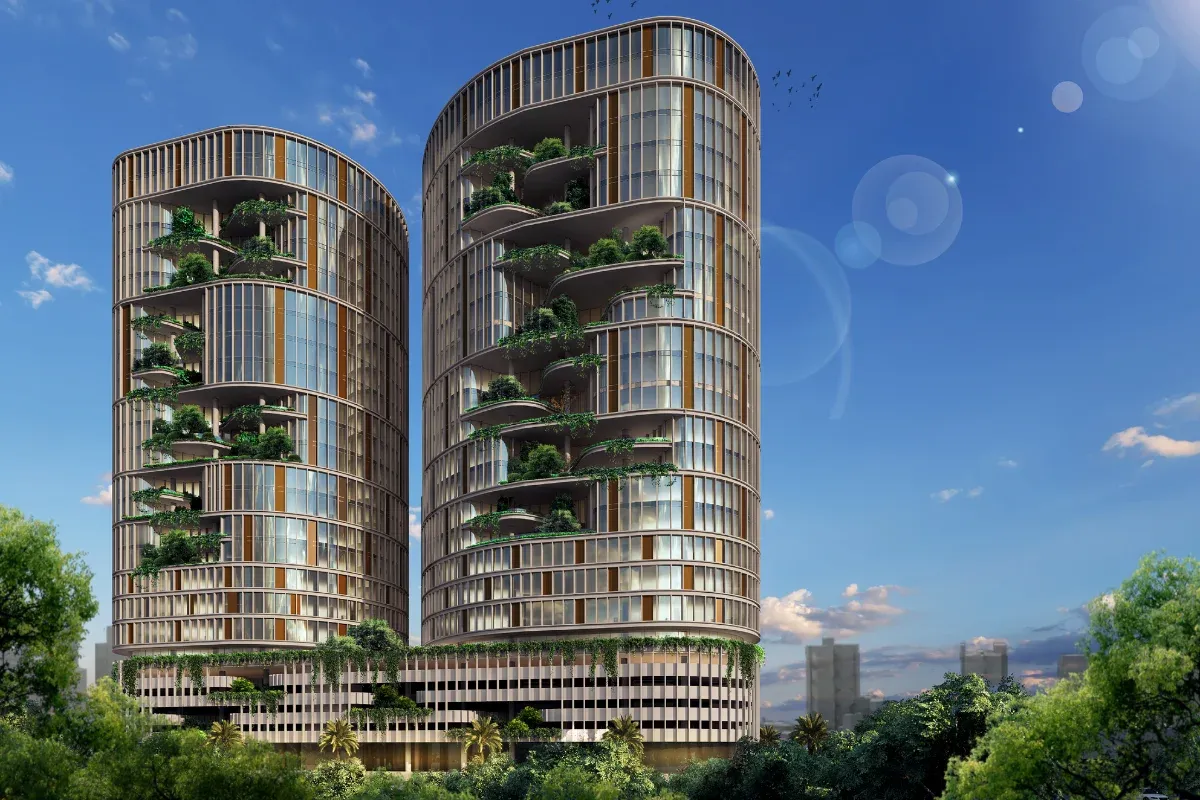
Biophilic building design is more than just an architectural trend—it’s a philosophy that reconnects people with nature through the built environment. Imagine walking into a workplace where sunlight floods the room, greenery thrives along the walls, and natural materials surround you. That’s the essence of biophilia: creating spaces that nurture human health, creativity, and happiness by weaving nature into design.
The Roots of Biophilic Building Design
The concept of biophilia was popularized by biologist Edward O. Wilson, who described humanity’s innate connection to nature. Over time, architects and designers began to translate this idea into physical spaces. Biophilic building design emerged as a response to sterile, artificial environments that often left people feeling disconnected and stressed.
Think of traditional office towers with fluorescent lighting and sealed windows. Compare that to a modern workspace with open-air terraces, indoor gardens, and natural ventilation. The difference isn’t just aesthetic—it’s deeply psychological. Studies show that exposure to natural elements reduces stress, improves focus, and even accelerates healing in healthcare settings.
Why Biophilic Building Design Matters Today
Urbanization has distanced people from nature. With more than half of the world’s population living in cities, the need for biophilic building design has never been greater. It’s not just about beauty—it’s about survival.
Buildings consume vast amounts of energy, and poorly designed spaces contribute to mental fatigue and physical illness. By integrating natural light, greenery, water features, and organic materials, biophilic design addresses both sustainability and human well-being.
For example, Singapore’s Changi Airport is often cited as a biophilic masterpiece. With its lush indoor gardens, waterfalls, and daylight-filled terminals, it transforms the travel experience into something restorative rather than exhausting.
Key Principles of Biophilic Building Design
At its core, biophilic building design rests on three pillars:
- Direct connections to nature – Incorporating plants, water, light, and fresh air.
- Indirect connections to nature – Using natural materials, colors, and patterns that mimic organic forms.
- Spatial experiences – Designing spaces that evoke natural environments, such as caves, forests, or meadows.
These principles can be applied across residential, commercial, and public spaces. A home might feature a green roof and wooden interiors, while a hospital could integrate healing gardens and daylight corridors.
Real-Life Examples of Biophilic Building Design
One striking example is Amazon’s Spheres in Seattle. These glass domes house over 40,000 plants from around the world, creating a workplace that feels like a rainforest. Employees report higher satisfaction and creativity, proving that nature isn’t just decorative—it’s functional.
Another example is Bosco Verticale in Milan, a pair of residential towers covered in trees and shrubs. These vertical forests not only beautify the skyline but also improve air quality and reduce noise pollution.
The Psychological Impact of Biophilic Building Design
Walking into a biophilic space often feels like a breath of fresh air. Natural light regulates circadian rhythms, greenery reduces anxiety, and organic textures foster comfort. Research shows that students in classrooms with natural elements perform better academically, while patients in hospitals recover faster when exposed to gardens or views of nature.
This isn’t surprising. Humans evolved in natural environments, and our brains are hardwired to respond positively to them. By embedding nature into architecture, biophilic building design restores balance in a fast-paced, urbanized world.
Sustainability Through Biophilic Building Design
Beyond human health, biophilic design supports environmental sustainability. Green roofs reduce heat islands, natural ventilation lowers energy consumption, and water features can recycle rainwater.
Take the example of the California Academy of Sciences in San Francisco. Its living roof not only provides insulation but also supports biodiversity, attracting birds and insects to the urban landscape.
Biophilic Building Design in Workplaces
Corporate offices are increasingly adopting biophilic principles to boost productivity and employee well-being. Natural light reduces eye strain, plants improve air quality, and open layouts encourage collaboration.
Microsoft’s offices in Redmond, for instance, integrate walking trails, outdoor meeting spaces, and abundant greenery. Employees benefit from reduced stress and increased creativity, proving that biophilic building design is a business advantage as much as a wellness strategy.
Residential Applications of Biophilic Building Design
Homeowners are embracing biophilia through indoor gardens, natural materials, and open-air courtyards. Imagine waking up to sunlight streaming through skylights, cooking in a kitchen with herb walls, or relaxing in a living room surrounded by wooden textures.
These design choices don’t just elevate aesthetics—they improve quality of life. Families experience better moods, healthier air, and stronger connections to the environment.
The Future of Biophilic Building Design
As climate change accelerates, biophilic design will become a necessity rather than a luxury. Architects are exploring new ways to integrate smart technology with natural elements, creating buildings that are both eco-friendly and human-centered.
Urban planners envision cities where vertical forests, rooftop gardens, and water-integrated landscapes redefine skylines. Schools, hospitals, and workplaces will increasingly adopt biophilic principles, making nature accessible to all.
Challenges in Biophilic Building Design
Despite its benefits, biophilic design faces challenges. Costs can be high, maintenance of greenery requires expertise, and retrofitting older buildings isn’t always feasible. Yet, as awareness grows, solutions are emerging. Modular green walls, low-maintenance plant systems, and sustainable materials are making biophilia more accessible.
Biophilic Building Design and Cultural Identity
Interestingly, biophilic design often reflects cultural traditions. Japanese architecture emphasizes harmony with nature through gardens and wooden interiors. Scandinavian design highlights natural light and simplicity. By blending modern innovation with cultural heritage, biophilic spaces become deeply meaningful.
Conclusion-Free Continuation
The journey of biophilic building design is ongoing. From airports to homes, workplaces to schools, it continues to reshape how we live, work, and interact with our surroundings. Every new project adds to a growing movement that values nature not as an accessory, but as a foundation of human existence.